




Victoria may be Australia's smallest mainland state, but this does not stop it from still hosting some of the best National Parks and wonderful landscapes in the country.
The population is relatively large in Australian terms with 4.6 million people living in an area of 228,000 sq km.
Melbourne is a truly wonderful city of Victoria. It is said to be the country's fashion, food and cultural capital and is Australia's second largest city after Sydney. Melbourne offers plenty of action and a great nightlife scene.
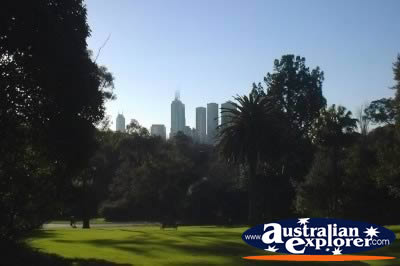 However, Melbourne also offers a number of spectacular buildings, as well as some beautiful parks that surround the city. Walking, cycling and relaxing along the Yarra River are all popular.
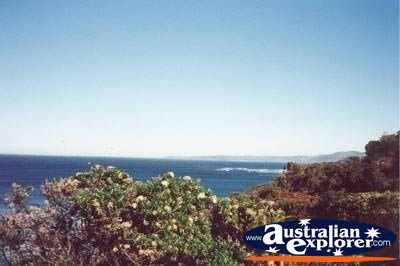 The states Wonderful coastal scenery, National Parks and rainforests can be found along the Great Ocean Road, from Geelong and the South West near the border of South Australia. North from here, in the West is desert land and beautiful wildflowers, where you will find the Sunset Country which is a dry semi-desert land.
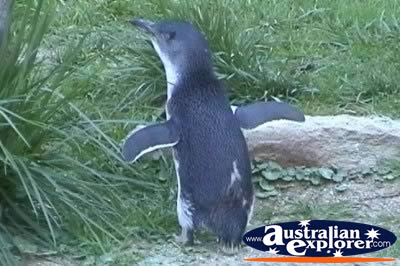 The most southerly point is Wilsons Promontory National Park in the South East and along the coast you will also find Phillip Island with it's extraordinary views of tiny penguins waddling up the beaches at dusk. There are more spectacular landscapes and national parks continuing along the coast to the Far South East.
The Great Dividing Range is made up of the Victorian Alps, the Dandenongs and the Grampians. The good news for people who enjoy a good vintage is that many wineries can be found, complimented by historic river towns along the Murray in the North West and North.
If you have got a good eye then Gold can still be found today in the largest gold rush towns, Bendigo and Ballarat situated in the goldfields of the Mid West.
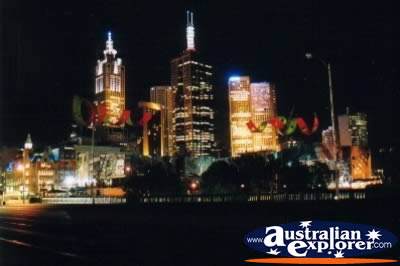 The general climate of Victoria is cooler than other parts of Australia. The Coast is generally humid, allthough inland it can get extremely cold. To contradict oneself, however, it is often hotter in Melbourne than other places during the summer, but can often suffer from very unpredictable and changable weather.
A Little History
The huge European interest in Australia encouraged a rather hurried settlement. On hearing that France had sent ships to explore the South coast, Britain quickly set up an expedition to build a colony, in 1803. The first settlement, lasting a year, was at Sorrento on Port Phillip Bay.
However, due to a lack of fresh water the group moved to Tasmania. The first permanent colony was at Melbourne, in 1835, by John Batman and John Pascoe Fawkner, who arrived from Tasmania. The state was named after the Queen of England, and the town was named in 1837, after her Prime Minister, Lord Melbourne. In 1851 the colony of Victoria was created. The settlement had a free-enterprise spirit, leading to clashes with Sydney, as they often turned away convict ships.
Gold was discovered, and inevitably the population grew rapidly to roughly double. Of course many of the gold diggers returned to their homeland, but those that remained built new settlements.
Points of Interest
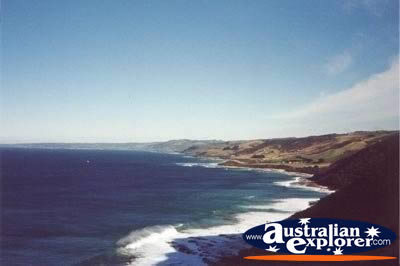 Great Ocean Road
This can only be described as one of the world's most impressive coastal routes.
Victorian Alps
A great place to ski, camp or bushwalk.
Victoria Facts
* Victoria Area: 227,416 square kilometres
* Victoria Capital: Melbourne
VIC, VIC Accommodation
Top Victoria Destinations
| Far South East |
Great Dividing Range |
Great Ocean Road |
| Melbourne |
Mid West |
North |
| North West |
South East |
South West |
| West |
Other Victoria Destinations
| East Melbourne | Gippsland | Goldfields |
| Mt Buller | Murray River | Spa Country |
| Swan Hill | Swan Hill Area | Yarrawonga |
| SHARE with |  |
 |